Life Milestones by Age: What to Expect
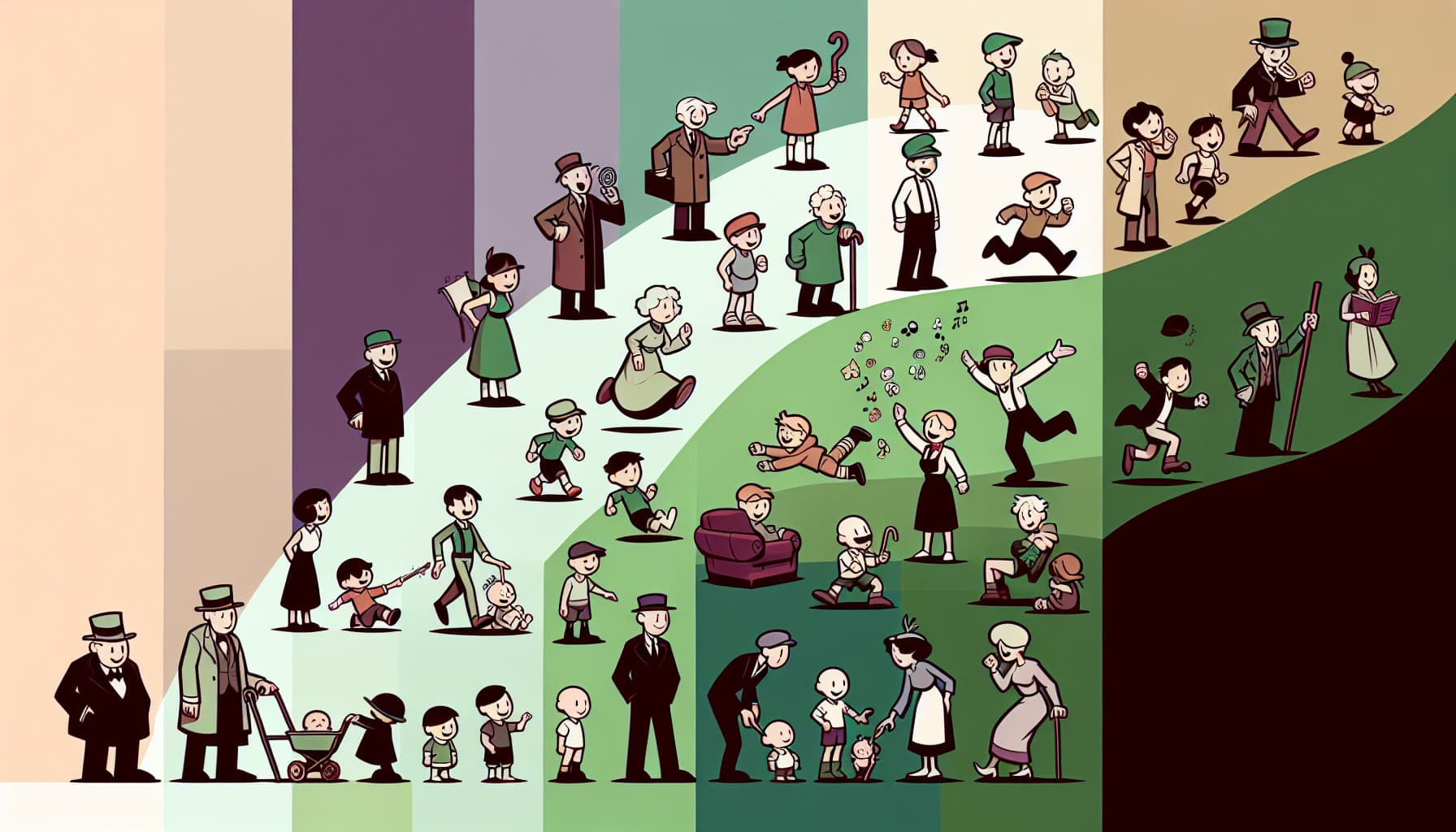
Life unfolds in stages. Each stage brings its own milestones that shape who we become. From a child's first steps to a grandparent sharing stories, these moments mark our growth and define our journey.
Understanding what milestones typically occur at each age helps you recognize their significance. More importantly, it helps you prepare to capture them before they slip away. Our Stages of Life framework provides a complete structure for documenting each phase.
For questions to ask family members about these milestones, see our complete questions to ask family members guide with 640+ prompts organized by relationship and life theme.
Article Snapshot
- Early childhood milestones (0-5) include first words, steps, and school—foundational moments that build independence
- Teen years (13-19) bring graduation, first jobs, driving, and relationships—transitions into adulthood
- Young adulthood (20-35) centers on career choices, first homes, marriage, and parenthood—major life commitments
- Midlife (35-65) often includes career peaks, becoming grandparents, and caring for aging parents—dual responsibilities
- Later years (65+) focus on retirement, legacy building, and passing wisdom—reflective life stages
- Professional video interviews preserve these milestone stories in studio quality for future generations
What Milestones Shape Early Childhood (Ages 0-5)?
The first five years contain more rapid development than any other life stage. Children transform from helpless infants into walking, talking, curious individuals ready for school.
First Words (12-18 Months)
A child's first word represents their entry into human communication. Most children speak their first word between 12 and 18 months. This might be "mama," "dada," or something unexpected like "dog" or "ball." The word itself matters less than what it represents: your child can now express needs, share observations, and connect with you through language.
Parents often remember this milestone vividly because it changes the relationship. Your baby becomes a person with opinions and the ability to share them. In working with families, I've seen this milestone often gets lost in baby books without the full story—what prompted it, how you reacted, what came next.
First Steps (9-15 Months)
Walking typically begins between 9 and 15 months. Those first wobbly steps mark physical independence. Your child no longer needs you to move them from place to place. They can pursue their own curiosity, which fundamentally changes how they experience the world.
This milestone brings equal parts pride and panic for parents. Pride in their child's development, panic about the new dangers that come with mobility. Capturing this moment on video preserves not just the steps, but the emotions surrounding them.
First Day of School (Ages 3-5)
Starting preschool or kindergarten marks the beginning of formal education and social development outside the family. This milestone varies by family—some children start school at 3, others at 5. The age matters less than what it represents: your child joining a larger community, forming relationships with peers, and beginning their educational path.
Many parents describe this day as bittersweet. Their child is growing up, becoming independent, and joining the world beyond home. Recording your child's excitement (or nervousness) about school preserves how they felt at this threshold.
What Defines the Teenage Years (Ages 13-19)?
Adolescence brings milestones focused on independence, identity formation, and preparation for adult life. These years shape who your child becomes as they separate from childhood and move toward adulthood.
High School Graduation (Age 17-18)
Graduation represents the completion of primary education and the beginning of adult choices. For most teens, this milestone happens around age 18. It marks the end of mandatory schooling and the start of self-directed paths—college, vocational training, military service, or work.
This transition carries enormous emotional weight for families. Parents see their child ready to leave home. Teens feel excitement mixed with uncertainty about what comes next. Asking your graduate what they feel, what they hope for, and what they fear creates a time capsule of this pivotal moment.
Getting a Driver's License (Age 16-18)
A driver's license means mobility and freedom. Most teens get licensed between 16 and 18. This small plastic card represents independence from parents for transportation and the responsibility that comes with operating dangerous machinery.
Parents often remember this milestone with mixed feelings—relief at not having to drive their teen everywhere, worry about their safety on the road. Recording conversations about this milestone captures those competing emotions and the maturity it demands.
First Job (Ages 15-19)
A first job teaches responsibility, time management, and the value of money. Whether babysitting, retail work, or food service, this milestone usually occurs between 15 and 19. The work itself matters less than the lessons it teaches about showing up, following through, and earning independence.
Many adults cite their first job as formative. It taught them skills, exposed them to diverse people, and gave them confidence. Capturing this experience helps preserve what seemed mundane at the time but proves meaningful in retrospect.
Get the full printable question library
Every question in the Telloom library, organized by topic, plus our step-by-step checklist for recording your own interview. We'll email it to you.
No spam. Unsubscribe anytime.
What Major Milestones Mark Young Adulthood (Ages 20-35)?
Young adulthood brings the weightiest decisions—career paths, life partners, and whether to become parents. These choices shape decades to come.
Choosing a Career Path (Ages 22-28)
Career choices typically solidify in the mid-to-late twenties, though this timeline has shifted as more people change careers multiple times. This milestone involves identifying not just a job but a field, developing expertise, and building professional identity.
Questions like "Can you describe a pivotal moment in your life that directed your path in a new way?" or "What was a key professional milestone for you, and how did you celebrate it?" capture the story behind career decisions. Telloom uses these exact prompts in professional interviews to preserve career journeys.
Buying a First Home (Ages 28-35)
Homeownership represents financial stability and commitment to place. The average first-time buyer is now around 33, though this varies by region and generation. Buying a home means you've accumulated savings, established credit, and chosen where to put down roots.
This milestone carries different meaning across generations. For Boomers, it often happened in their twenties. For Millennials and Gen Z, it happens later if at all. Capturing how different generations experienced this milestone reveals changing economic realities.
Marriage or Life Partnership (Ages 25-35)
Committing to a life partner typically happens in the late twenties to early thirties. This milestone involves choosing who to build a life with, merging families and futures, and making vows about the decades ahead.
The marriage itself makes one milestone. But the decision to marry, the proposal story, the wedding planning, and the early years of marriage each contain meaningful moments worth preserving. Asking couples "How has your perspective on marriage changed over the years?" reveals how they've grown together.
Becoming a Parent (Ages 25-40)
Parenthood profoundly transforms identity and priorities. While the average age varies (around 27 for first-time mothers, 31 for first-time fathers), the impact remains consistent: your life now centers on another human being entirely dependent on you.
New parents often feel overwhelmed by the immediate demands of caring for an infant. Years later, they wish they'd captured more about those early days—not just photos, but their feelings, fears, and joys. Recording "What were your biggest fears when you first became a parent?" preserves emotional truth that gets smoothed over in memory.
What Characterizes Midlife Milestones (Ages 35-65)?
Midlife brings established identity, peak earning years, and often the sandwich generation experience—caring for aging parents while supporting children.
Career Peak and Leadership Roles (Ages 40-55)
Most people reach peak earnings and responsibility in their forties and fifties. You've built expertise, earned trust, and taken on leadership. This might mean managing teams, starting businesses, or becoming recognized experts in your field.
These accomplishments often go undocumented beyond a resume. Asking "What do you consider your most significant achievement, and what did it take to reach it?" captures the full story—the setbacks, the persistence, and what success actually cost.
Becoming a Grandparent (Ages 45-65)
Grandparenthood typically begins in the late forties to early sixties. This milestone brings joy similar to becoming a parent but without the daily responsibility. You get to pass on wisdom, share family history, and watch your children become parents themselves.
Grandparents have perspective parents lack. They've seen how children grow, how worry fades, and which moments actually matter. Recording their reflections preserves generational wisdom worth passing forward.
Caring for Aging Parents (Ages 45-60)
Many people in midlife become caregivers for aging parents. This milestone doesn't have a specific age—it happens when parents need help with health, finances, or daily living. The role reversal feels profound: the people who raised you now depend on you.
This period often passes in a blur of doctor appointments and difficult decisions. Recording conversations during this time—asking parents about their lives, their wishes, and their stories—becomes especially urgent.
What Milestones Define Later Life (Ages 65+)?
Later life brings reflection, legacy building, and the satisfaction of looking back on a life fully lived.
Retirement (Ages 60-70)
Retirement marks the end of career identity and the beginning of self-directed time. Most people retire between 60 and 70, though this varies by profession, health, and finances. This transition raises questions: Who are you without your career? How will you spend your days? What gives your life meaning now?
Retirement preparation often focuses on finances but rarely on identity. Recording reflections about career legacy, lessons learned, and hopes for retirement captures the full complexity of this transition.
Legacy Building and Storytelling (Ages 65+)
Older adults often feel urgency about passing down stories, values, and wisdom. They've lived through historical events, raised families, built careers, and learned lessons worth sharing. But without a structure for capturing these stories, they risk dying with their storytellers.
Questions like "What values do you hope to pass on to future generations?" or "What lessons from your life experience are crucial for younger people today?" help preserve this wisdom. Professional services like Telloom create guided interviews specifically designed to capture legacy stories in studio quality.
Coping with Loss (Increases with Age)
Loss becomes more frequent in later life—losing a spouse, siblings, lifelong friends. These milestones mark profound transitions. You lose not just a person but your shared history with them. When a spouse dies after 50 years of marriage, you lose your memory keeper, your witness to your life.
Recording stories before loss occurs becomes critical. The time to ask parents about their lives isn't after they pass but while they can still share. The time to capture a marriage story isn't at the funeral but during the anniversary celebrations.
How Can You Preserve These Milestone Stories?
Milestones happen whether we capture them or not. A graduation occurs. A retirement happens. A child takes first steps. But the stories, emotions, and context surrounding these moments disappear unless we preserve them intentionally.
Ask Questions While You Can
The biggest regret families share is waiting too long to ask questions. They meant to interview grandparents but waited until health declined. They wanted to capture parents' career stories but waited until memory faded. They intended to record their own parenting journey but got too busy.
Start now. Ask your parents "Can you describe a pivotal moment in your life that directed your path in a new way?" Ask grandparents "What tradition or legacy do you hope to pass on to future generations?" Ask yourself "What are you most proud of right now?" and record your answer.
Use Professional Recording for Quality That Lasts
Phone videos work for casual moments. But milestone stories deserve professional quality—clear audio, good lighting, and thoughtful interviewing that draws out complete stories.
Telloom provides exactly this: trained interviewers who know how to ask follow-up questions, professional recording equipment that captures studio-quality video, and a private digital archive where stories are transcribed, searchable, and preserved for generations. We've conducted thousands of family interviews and know which prompts reveal the most meaningful stories.
For DIY recording tips, see our guide on how to record family video interviews.
Create a Timeline of Your Family's Milestones
Mapping family milestones reveals patterns and shared experiences. Your grandmother graduated high school at 18 during World War II. Your mother graduated at 18 during Vietnam. You graduated at 18 after 9/11. The milestone remains constant but the historical context changes everything.
Creating this timeline helps identify which stories need capturing now. Who can still tell about immigration? Who remembers the family business? Who knows why we celebrate holidays certain ways? Time runs out for these stories faster than you think.
Life milestones give structure to our stories. They mark when we grew, changed, and became who we are. But the milestone itself—the graduation, the wedding, the retirement—is just a marker. The real story lives in the details: why you chose that career path, how you met your spouse, what retirement taught you about yourself, what you want future generations to know.
These stories deserve preservation in voices and faces, not just written words. They deserve the care of professional recording, thoughtful questions, and permanent archiving. Most importantly, they deserve to be captured now, while the storytellers can still share them.